
Charting the Course Behind the Scenes

By High Tide Yacht Charters | Expert Charter Planning Series
The number most people get wrong before they even start planning
Here is a fact that surprises nearly every first-time charterer: the price listed on a yacht charter website is rarely the price you actually pay. For a crewed catamaran that shows a base rate of $25,000 per week, the true all-in cost often lands between $32,000 and $38,000 once you account for every legitimate line item. That gap is not a hidden trap, it is a well-established industry structure that makes complete sense once you understand it. The problem is that almost nobody explains it clearly before you sign a contract.
This guide does exactly that. By the end, you will know every cost layer involved in a crewed yacht charter, understand which ones are fixed and which are variable, and be able to build a realistic budget before you ever speak to a broker. Whether you are considering a catamaran in the British Virgin Islands, a sailing yacht through the Greek Islands, or a motor yacht along the French Riviera, the same framework applies.
Why yacht charter pricing looks confusing (and why it is actually logical)
Yacht charters are priced differently from hotel rooms or cruise cabins for one fundamental reason: a privately owned yacht is a bespoke asset operated by a private crew. The owner sets the base rate. The crew earns their living partly from gratuity. Port authorities charge their own fees. Fuel consumption depends on your itinerary.
Unlike a resort where a single nightly rate bundles most costs, a charter separates its components. Once you understand the structure, you can compare quotes accurately, identify what is genuinely included, and know exactly what to budget for.
There are two core pricing models in the charter world:
All-inclusive charters are most common in the Caribbean — particularly the BVI and USVI. Your weekly rate covers the yacht, the captain, the chef, all meals, an open bar, fuel, and standard water toys. Gratuity and port taxes are the main costs outside the base rate. This model is simple, predictable, and excellent value for first-time charterers.
Plus expenses charters are standard in the Mediterranean, the South Pacific, and on larger superyachts globally. Your base rate covers the yacht and crew only. Food, beverages, fuel, port fees, and other running costs are billed separately — typically via an Advance Provisioning Allowance, or APA.
Understanding which model applies to the yacht you are considering is the single most important step in cost planning.

Layer one: the base charter rate
Base rates vary by vessel type, size, region, season, and age. These ranges represent what you should expect for a well-maintained, professionally crewed yacht in peak season:
Seasonal variation is significant. Peak season — July and August in the Mediterranean, December through March in the Caribbean — typically adds 20–35% to base rates compared to shoulder season. A yacht quoting €28,000 per week in July may be available for €21,000 in May or October. For flexible travelers, shoulder season represents some of the best-value chartering on the market.
Layer two: the Advance Provisioning Allowance (APA)
If your charter operates on a plus expenses model, the APA is a pre-funded expense account that your captain manages during the trip. A standard APA is between 20–35% of the base charter fee.
On a €30,000 Mediterranean motor yacht charter, your APA would typically be €9,000–€10,500, paid before departure. The captain uses this fund to provision food and beverages, pay for fuel, cover port fees and marina costs, and handle any incidental expenses on your behalf.
At the end of the charter, you receive a full itemised account. Any unused APA is returned to you in cash. If expenses exceed the APA, you top it up during the trip, though a well-briefed captain will flag this before it becomes a surprise.
Key insight for budget planning: in the Mediterranean, the APA routinely runs to its full amount on active itineraries. If your group eats well, visits busy marinas, and covers significant nautical miles each day, budget the APA at 35% and consider it fully spent. Any money back is a bonus.
For Caribbean all-inclusive charters, there is no APA. Everything within the agreed scope is covered. The simplicity is one reason this model is so popular for first-time charterers.
Layer three: crew gratuity
Gratuity is not optional, it is an expected and important part of the charter economy. Your captain and chef (and any additional crew) rely on gratuity as a meaningful portion of their income. The standard range is:
- Caribbean all-inclusive charters: 15–20% of the base charter fee
- Mediterranean plus expenses charters: 10–15% of the base charter fee
On a $25,000 Caribbean charter, budget $3,750–$5,000 for gratuity. It is typically paid in cash, in an envelope to the captain, at the end of your trip. The captain distributes it to the full crew according to their arrangement. Leaving a thoughtful gratuity is not just good manners, crews talk to one another, and a generous charter group tends to attract the best captains and chefs for their next booking.

Layer four: destination taxes and port fees
Every charter destination has its own tax and port fee structure, and these vary considerably.
Understanding the destination's tax environment before you commit to a region can save thousands on equivalent itineraries.
Layer five: optional add-ons
These costs are genuinely optional but easy to underestimate if you do not plan for them:
- Scuba diving: Guided dives via a rendezvous dive boat typically run $80–$150 per person per dive. A week of diving for four people could add $2,500–$5,000.
- Premium water toys: Seabobs, e-foils, and jet ski rentals add $200–$600 per day when not already included in the base rate.
- Helicopter transfers: A helicopter from St Thomas to the BVI, for example, runs approximately $300–$500 per person each way, a luxury worth considering if your group values time.
- Dining ashore: One or two evenings at a quality restaurant, plus beach bar stops, realistically adds $500–$1,500 for a group over the course of a week.
- Specialty provisioning: Champagne, premium spirits, and curated wine selections beyond the standard bar stock are typically charged at cost plus a provisioning fee.
What a realistic all-in budget looks like
Here is a worked example for a group of six chartering a 50-foot crewed catamaran in the British Virgin Islands during peak season:
For six people sharing eight nights in a private floating villa with a professional captain, a personal chef, all meals, an open bar, and daily water sports included that per-person figure is frequently cited by our clients as the best-value vacation they have ever taken.

Now let us look at a similar, 52-foot crewed catamaran in Greece during speak season as a comparison based on both 8 and 10 guests:
For 8-10 guests there is a significant price difference on the per person cost and we find that 8-10 guests in the Mediterranean is one of our client's most popular configuration. For some guests, 10 feels like a crowd whereas 8 is a happy medium as there is enough space for everyone to sit and relax with comfort without feeling on top of one another.
Frequently asked questions
Is the price negotiable? Base rates are set by yacht owners and are rarely negotiated directly. However, last-minute availability in the weeks before a charter window can yield 10–20% discounts. Booking 6–9 months in advance gives you the best selection; booking 4–6 weeks out gives you the best price on remaining inventory.
What if something breaks during the charter? The yacht owner carries insurance and is responsible for mechanical issues. A reputable charter broker, like High Tide Yacht Charters, will have a contract that protects your deposit and provides for substitution or refund if the yacht is unable to complete the charter.
Do I need travel insurance? Yes. Charter-specific travel insurance covering trip cancellation, medical evacuation, and charter interruption is strongly recommended. Policies typically cost 5–8% of the total trip value.
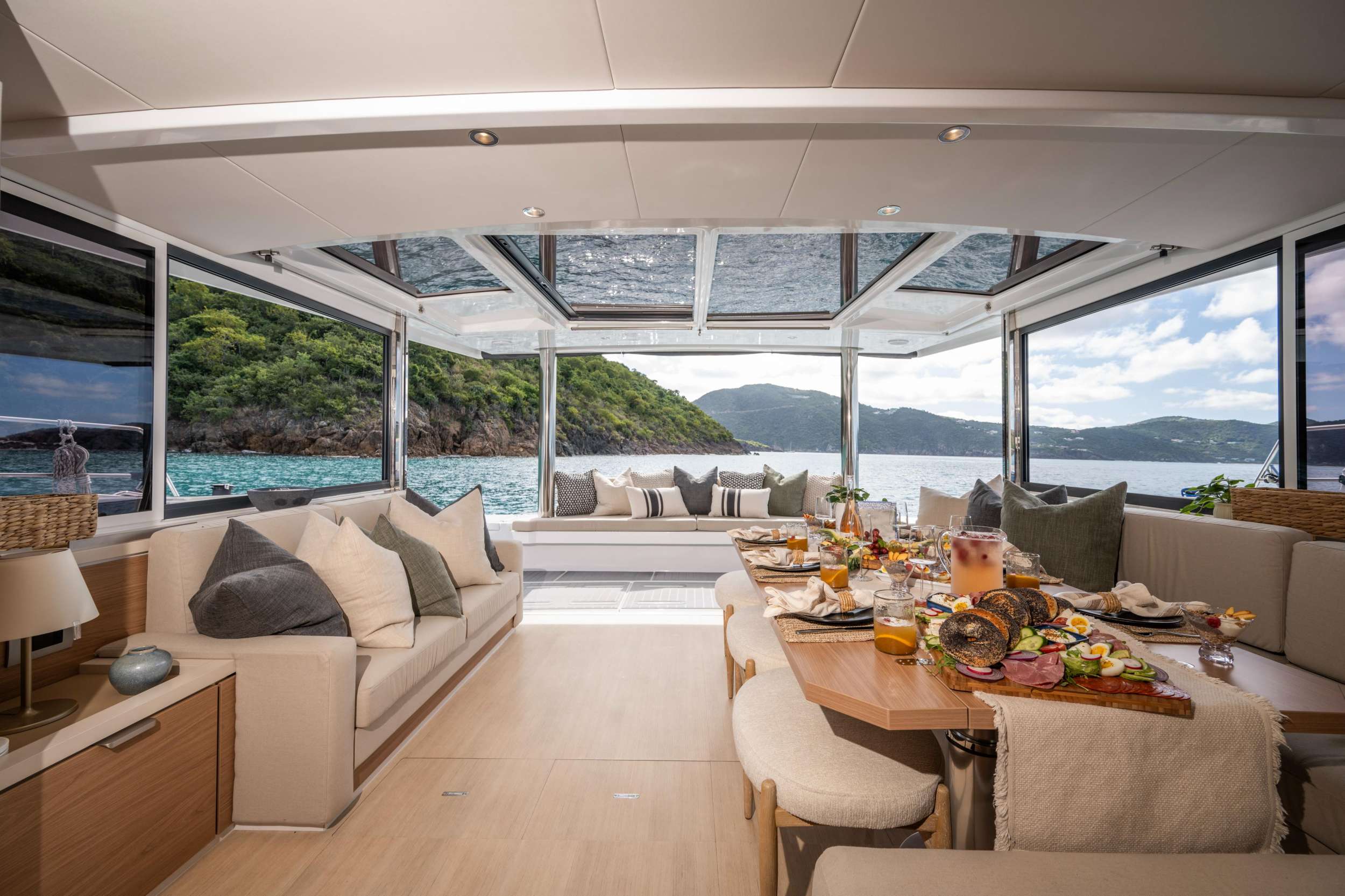
Start with a conversation, not a contract
The most effective way to build an accurate budget for your specific group, dates, and destination is to speak with an experienced charter broker before you begin comparing listings. At High Tide Yacht Charters, we provide itemised cost estimates before any commitment, so you know exactly what you are booking and exactly what it will cost.
Contact us today to receive a personalised charter cost estimate for your dates, group size, and preferred destinations. No obligation, no pressure — just expert guidance.
High Tide Yacht Charters operates crewed charter programmes across the Caribbean, Mediterranean, and beyond. Our brokers have first-hand experience aboard the yachts they recommend.
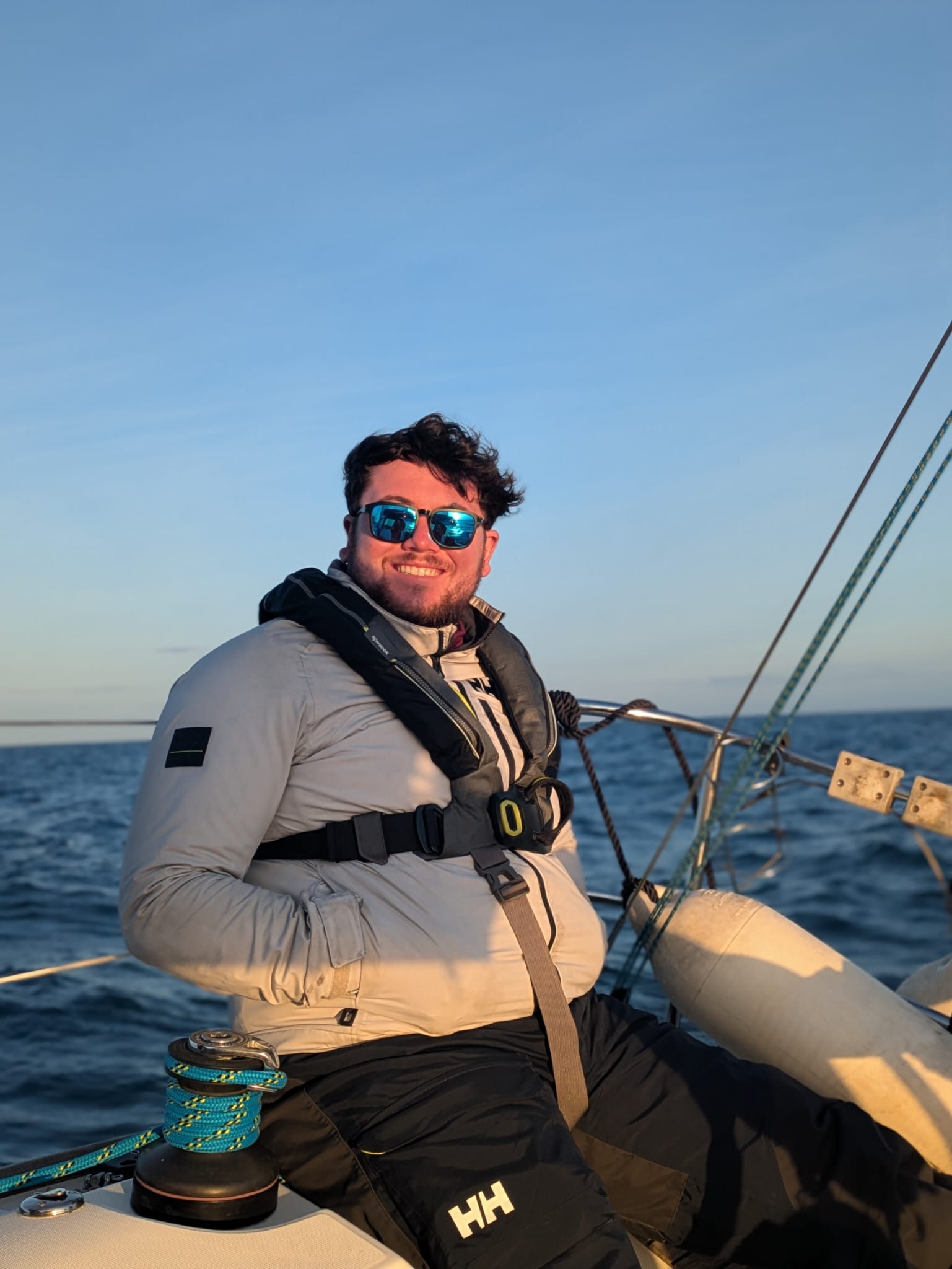
Talk to James
"Planning a BVI charter is about more than just finding a boat; it's about matching your group with the right crew and the perfect itinerary. I'm here to handle the logistics so you can focus on the horizon."

Start planning your yacht charter adventure with High Tide Yacht Charters, today!
